An Open Letter:
On Marco, and how deception and enabling his harm blurs the lines of consent.
It has been one year since this destabilizing connection [with Marco]. If naming him makes you uncomfortable, unpack that with yourself. In that year, I grieved not only a person, but also the version of reality I had been manipulated into believing.
I spent months unpacking the psychological, emotional, and physical impact the experience left on me while also processing confusion, hypervigilance, and the disorientation that follows deception. I had to understand what happened to me before I could speak about it in a much clearer headspace.
This reflection is not written from a place of pain. It is written after distance and processing. What follows is not a condemnation of “community” as a concept. It’s a look into what happens when harm disrupts the image of someone admired.
What I witnessed was simple: protecting the appearance of community mattered more than tending to harm. When accounts from women who had been harmed began to surface, the response was not outrage or curiosity.
It was quiet recalibration.
People who had heard misogyny in private continued applauding performative altruism in public. Cheating was minimized. Coercion was reframed as miscommunication. Shared experiences were reframed as drama. The women speaking were treated as excessive, emotional, or inconvenient.
He was made to be the victim of our vitriol in public while destabilizing women privately.
There is an unspoken expectation that victims must be composed, agreeable, and restrained in order to be considered credible. That anger disqualifies them. That visible hurt undermines their reliability. That unless a woman presents her harm gently and without disruption, they are dismissed.
Accountability is not fear of exposure. It is sustained action. It is transparency and repair. Repair cannot occur in environments that prioritize reputation over truth. When people feign ignorance, they are not remaining neutral.
When confronted, the script is the same:
“That didn’t happen.
And if it did, it wasn’t that bad.
And if it was, that’s not a big deal.
And if it is, that’s not my fault.
And if it was, I didn’t mean it.
And if I did, you deserved it.”
The most support I found was not from the circles that protected him. It was from the other women who had similar experiences. In comparing stories and in recognizing patterns. In realizing none of us were imagining it. That is where clarity lives, in shared truth.
Love does not dominate, it cultivates.
Abusers do need community. They need people willing to hold them accountable long enough for real change to occur. That requires discomfort. It requires people to risk proximity and status. It requires integrity beyond branding. This is not a call for exile, it is a call for discernment.
I want to thank everyone who has shared their own stories, their acknowledgments, and solidarity.
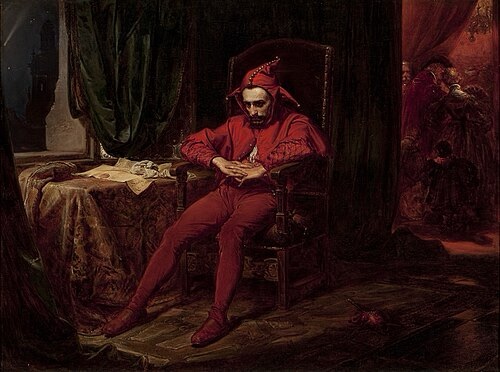
Page artwork; Court Jester by Stanczyk

